There is a particular kind of grief that arrives without a name. Without the rituals of bereavement. Without the casseroles, the cards, the people gathered in dark clothes who say the right things and mean them.
This grief does not announce itself. It does not have a date on the calendar. It does not come with social permission to fall apart. And because it lacks all of that structure, it is often the hardest to carry — because it is also the hardest to speak.
"The grief that has no name is still grief. The loss that no one witnessed is still a loss. You do not need permission to grieve what you have lost."
This is what is known in the field as ambiguous loss. The term was developed by therapist Pauline Boss to describe losses that exist outside the clear category of death — losses that are real and devastating but receive none of the recognition that bereavement does.
The shapes of ambiguous loss
Ambiguous loss takes many forms. It is the grief of a relationship that ended without resolution — where the person is still alive but the connection is gone. The grief of a parent who is still physically present but has changed beyond recognition, through dementia or addiction or estrangement. The grief of a future that did not happen — the children who were not born, the career that did not materialise, the marriage that was not what it was meant to be.
It is the grief of an identity that no longer fits — the person you used to be before illness, before loss, before life rearranged itself. The grief of a country you left. The grief of a version of yourself that you cannot find your way back to.
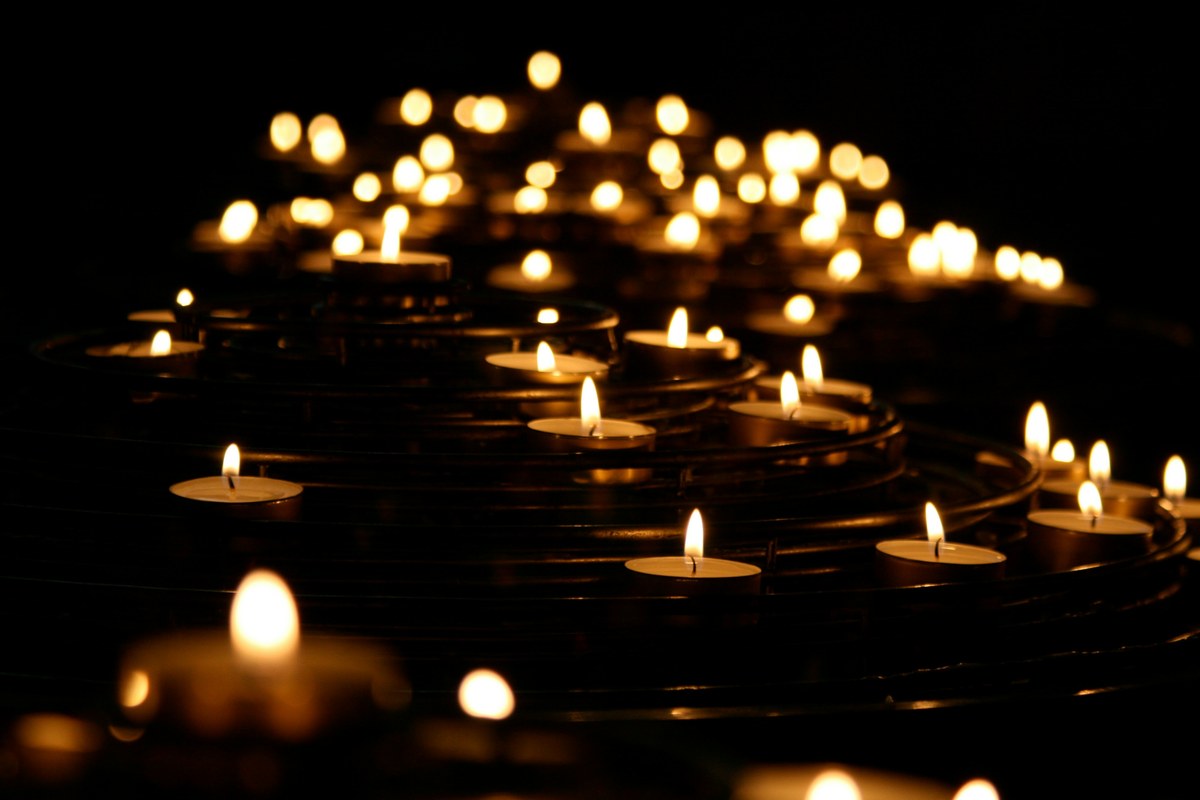
None of these losses come with funerals. None of them come with the social acknowledgment that says: your grief is legitimate, your pain is real, you are allowed to fall apart.
The cost of unwitnessed grief
When grief is not witnessed, it does not disappear. It goes underground. It shows up in the body — in exhaustion, in illness, in the persistent sense that something is wrong without being able to name what. It shows up in relationships, in a flatness or a reactivity that is difficult to explain. It shows up in the middle of the night, in the moments before sleep, in the quiet that other people fill with small talk and you fill with a weight you cannot describe.
Unwitnessed grief needs somewhere to go. It needs to be named. Not fixed — named. Held. Taken seriously by someone who will not require you to justify it or explain why it counts.
That is what I offer in grief coaching. A space where all forms of loss are welcome. Where you do not need a death certificate or a cultural permission slip to bring your grief into the room. Where the grief that has no language can begin to find one — slowly, at your pace, in the safety of being genuinely held.
The grief that has no name is still grief. You do not need permission to grieve what you have lost.